Do You Need a Physical Sample Before Ordering Custom Keychains?
A digital proof helps confirm artwork, layout, dimensions and the specified customization. A physical sample lets you evaluate material, finish, feel and assembly. Consider a production-representative sample when those qualities are important to your purchase, especially for a new design, material or supplier.
For wholesale buyers, approval should define what will be manufactured. A general response such as “looks good” can leave the reverse side, attachment or packaging unresolved.
1. Understand Which Type of Sample You Are Reviewing
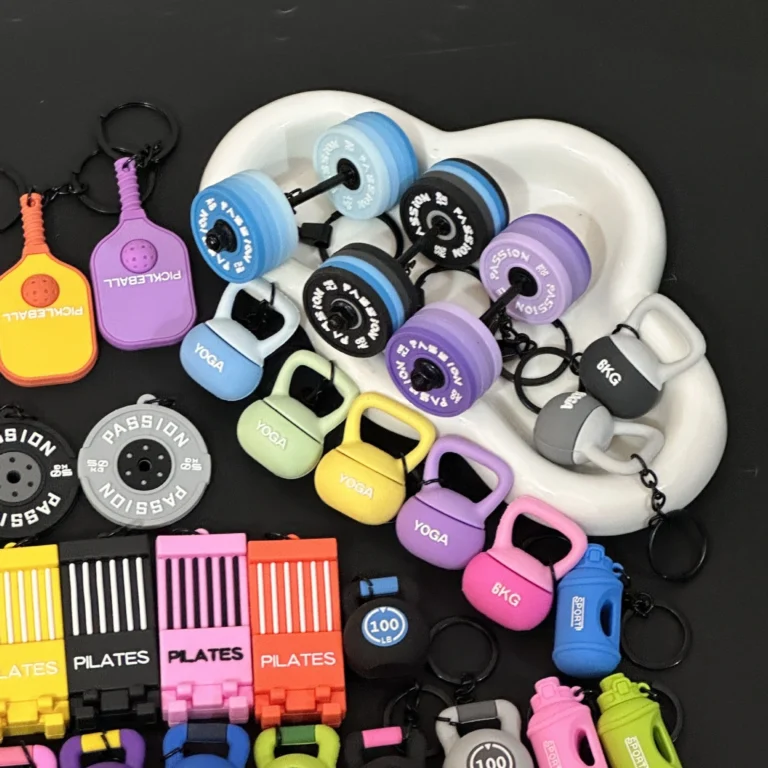
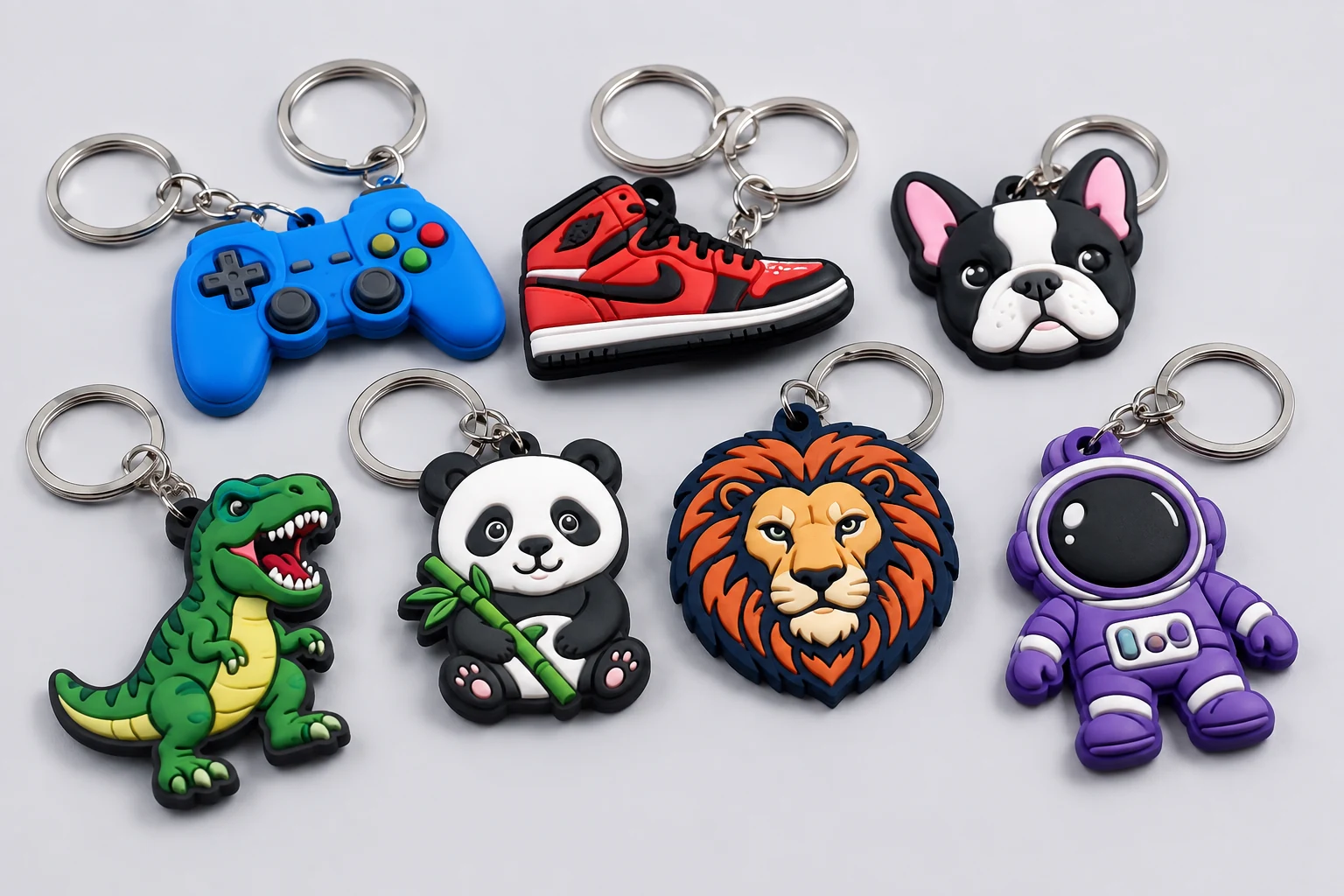
A stock sample can help you assess a material or production style, but it does not confirm your custom design. A digital proof shows the proposed artwork and specifications. A physical custom sample demonstrates a particular execution of your design.
Ask whether the custom sample uses the intended production materials and process. If it differs from the proposed bulk product, have the supplier identify those differences before you approve it.
| Review Item | Digital Proof | Physical Sample |
|---|---|---|
| Spelling and logo layout | Review the proposed artwork carefully | Confirm the result on the product |
| Dimensions | Confirm the annotated measurements | Measure and assess the actual size |
| Color | Confirm specified references and color placement | Evaluate appearance under agreed viewing conditions |
| Material and finish | Confirm the written specification | Assess feel, texture and appearance |
| Attachment | Review its type, position and orientation | Check assembly and practical handling |
| Packaging | Review layout, text and specified format | Check product fit and presentation |
2. Check the Proof at the Intended Product Size
Review the design at its specified physical size, not only as an enlarged screen image. Check small text, narrow gaps and logo details, and ask the supplier to flag features that may need adjustment for the proposed process.
Confirm whether the dimensions refer to the keychain body or the complete assembly including the ring and connector. Also approve the front, back, attachment position and any blank areas.
Identify the final artwork revision so an earlier file cannot be mistaken for the approved design.
3. Treat Screen Color as a Reference, Not a Physical Guarantee
Specify the agreed color reference rather than relying only on how a mockup looks on your screen. Ask how the proposed material and production process affect matching.
Where brand color is critical, review a suitable physical reference or sample under agreed conditions. Record the approved reference and any accepted variation.
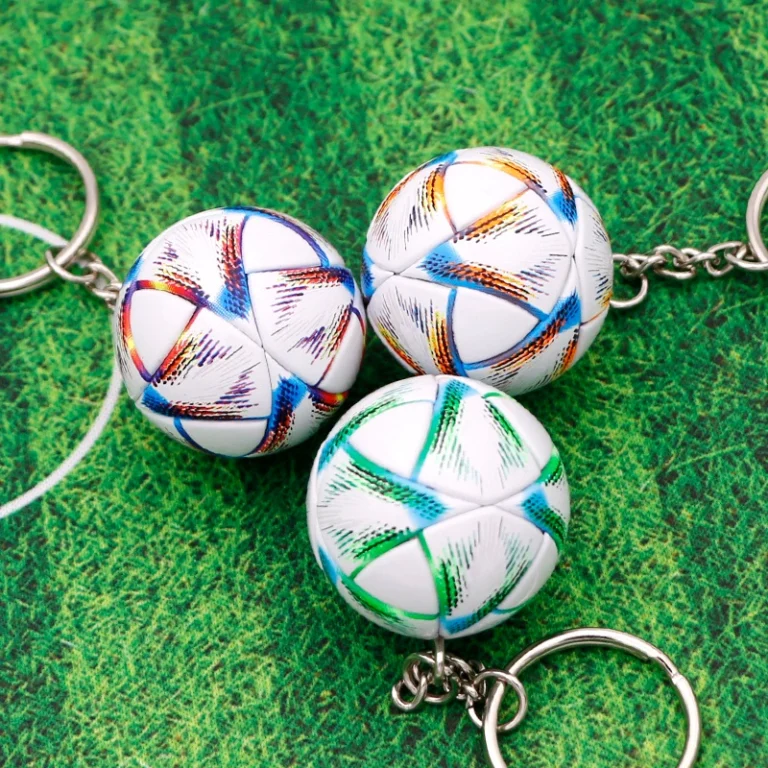
A photograph of a sample is useful for checking layout, but lighting and display settings can affect its appearance. It cannot communicate weight or surface feel.
4. Review the Features That Matter for Your Material
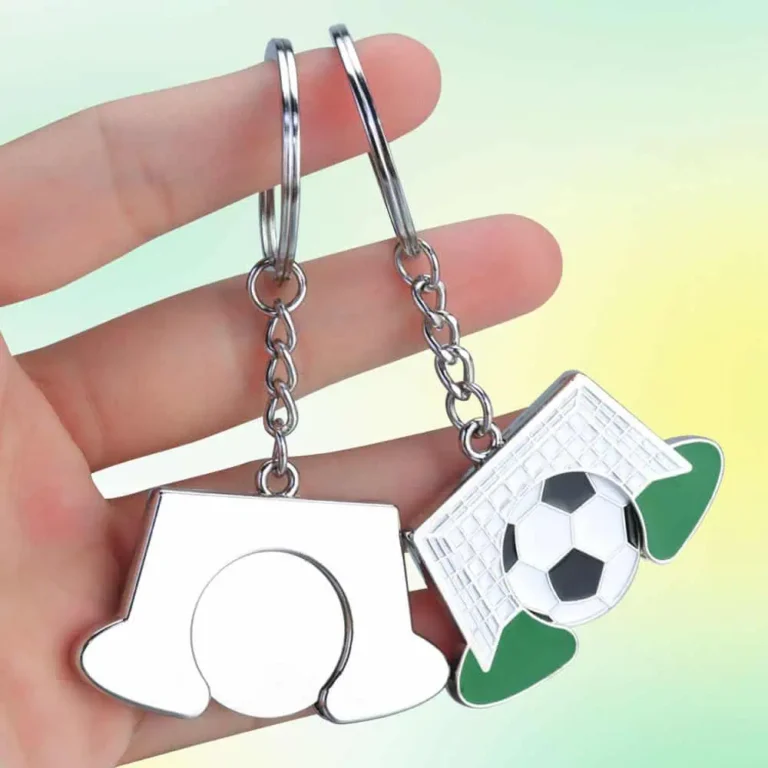
For molded PVC designs, review the specified raised or recessed details and the separation of colored areas. For metal designs, check the selected finish, lettering and any color-filled areas.
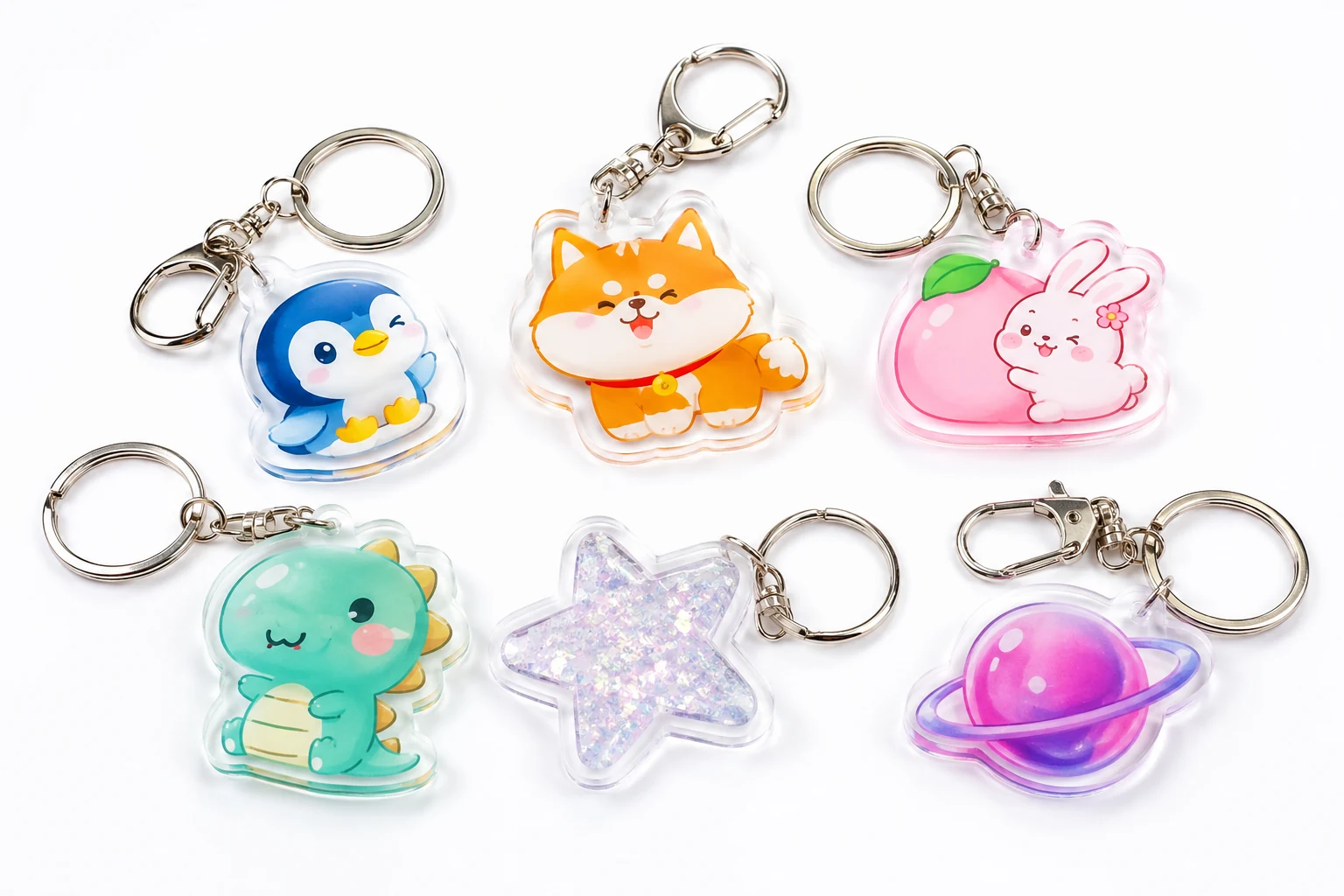
For acrylic designs, confirm which side carries the artwork, whether the background should be clear or opaque, and how the reverse should appear. For leather-style products, specify the actual material and review the agreed logo treatment and stitching where applicable.
These are review points, not universal manufacturing limits. Ask the supplier to confirm what is feasible for your design.
5. Check the Complete Assembly
Inspect the ring, connector and attachment position as part of the sample. Confirm that the supplied hardware matches the quotation and that the design hangs in the intended orientation.
If durability testing is required, agree on the method and acceptance criteria. Handling one sample does not establish a tested service life or verify the quality of every item in a bulk order.
6. Approve Packaging Alongside the Product
Review the bag, backing card, box or label included in the order. Confirm quantities per pack, artwork revision and any required SKU or barcode information.
If a barcode is required, test the actual printed sample using the intended receiving or retail system. Do not approve it solely because the number beneath the bars is correct.
Ensure the product fits the packaging and the attachment does not obscure important branding or text.
7. Record Exactly What You Approve
Create an approval record containing the artwork revision, material, dimensions, color references, finish, attachment and packaging. Identify the physical sample where one has been approved.
Illustrative example: a buyer approves the front logo but expects a blank reverse. The quotation includes a reverse-side imprint from an earlier file. Approving both sides in one final record would help prevent the mismatch.
State any remaining changes explicitly. If a change affects appearance or construction, agree whether another proof or sample is needed before production.
8. Confirm Sample Charges and Timing
Ask whether the quotation includes stock samples, custom sampling, tooling and delivery. Confirm whether any sample charge is credited against a subsequent order and under what conditions.
Record when the production schedule starts and how revisions affect it. For an event deadline, allow for sample review, production, transport and receiving rather than treating sample approval as the shipping date.
Buyer Questions
Is a digital proof enough for every order?
No. It may be sufficient for some agreed repeat orders, but new materials, finishes or construction details may justify a physical sample.
Does an approved sample guarantee every unit will be identical?
No. Agree on production requirements and incoming inspection. The sample is a reference, not a substitute for a quality plan.
Can I change the design after approval?
Request written confirmation before proceeding. Changes may affect tooling, price, sample requirements and delivery.
Should I order the cheapest sample option?
Choose a sample that answers your purchasing questions. A stock sample cannot confirm the execution of a new custom design.
Request a Custom Keychain Proof and Sample Proposal
Send your artwork, preferred material, target size, quantity and packaging requirements. Identify any critical colors or finishes, and ask for the proposed proof, sample cost and delivery schedule before placing the bulk order.
Email: [email protected]