Private Label Keychains: A Manufacturing Guide for Retail Brands
Private-label keychains let a retail brand sell a product under its own name, artwork and packaging. The strongest projects begin with a clear product brief: who will buy it, where it will be sold, how it will be displayed and what must arrive at the destination warehouse.
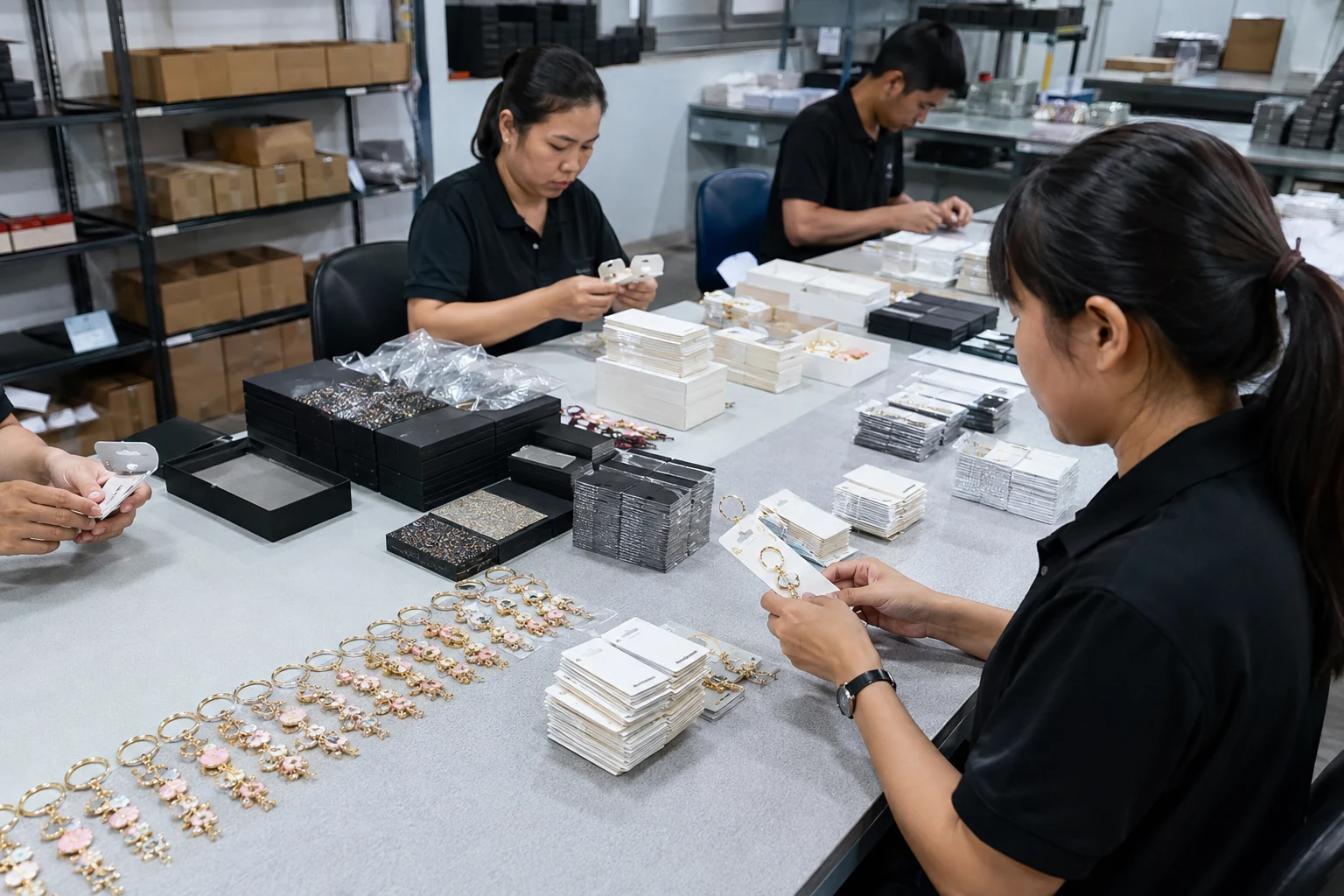
Who Uses Private Label Keychains?
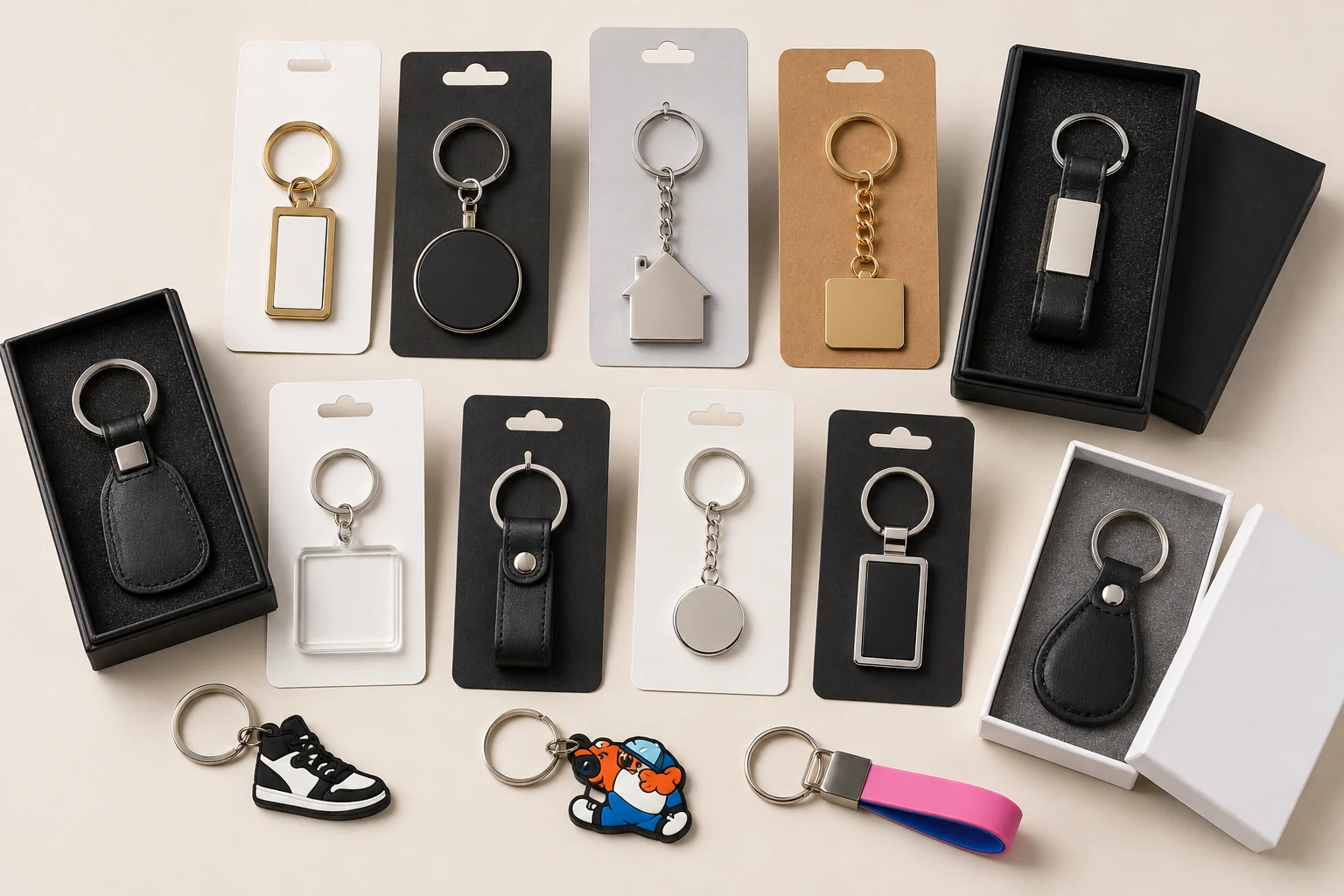
Private-label keychains are commonly sourced by retail brands, souvenir businesses, promotional product distributors, sports clubs, event organizers, subscription-box companies and corporate-gift teams. A custom keychain can be a standalone item, an add-on to a larger product line or a campaign giveaway.
Retail and souvenir brands
Often need a clear product identity, retail card or hang tag, controlled SKU management and repeatable design files.
Promotional distributors
Usually require a dependable quotation workflow, client-approved artwork, multiple packaging options and delivery coordination.
Events and memberships
May prioritize a custom shape, campaign deadline, individual packing and a straightforward way to distribute units.
Corporate gift programs
Often combine logo placement, premium materials, presentation packaging and a defined delivery schedule.
Private Label Development Checklist
| Step | What the buyer should define | Why it matters |
|---|---|---|
| Product brief | Material, size, thickness, attachment, quantity and intended use. | Determines the most suitable manufacturing method and quotation scope. |
| Brand artwork | Logo file, colors, typography, shape reference and any licensed artwork approval. | Ensures the supplier works from buyer-authorized artwork and correct brand assets. |
| Packaging | OPP bag, backing card, hang tag, box, insert card or label requirement. | Shapes retail presentation, handling and packing cost. |
| Sample approval | Digital mockup and, where needed, a physical sample discussion. | Creates a checkpoint for visible design and packaging details before bulk production. |
| Delivery plan | Destination, requested shipping date, carton marks and forwarder instructions. | Helps align export packing and freight planning with the order. |
Choose the Material to Match Your Brand Positioning
Material should follow the design, usage and retail position instead of a generic “best” choice. Soft PVC supports bright, multi-color mascot shapes; metal can suit a heavier or more premium feel; acrylic works well for detailed printed artwork; leather-style materials can fit gift-oriented or minimalist collections. Compare the options in the PVC, acrylic and metal comparison.
Quality and Packaging Controls Worth Agreeing Upfront
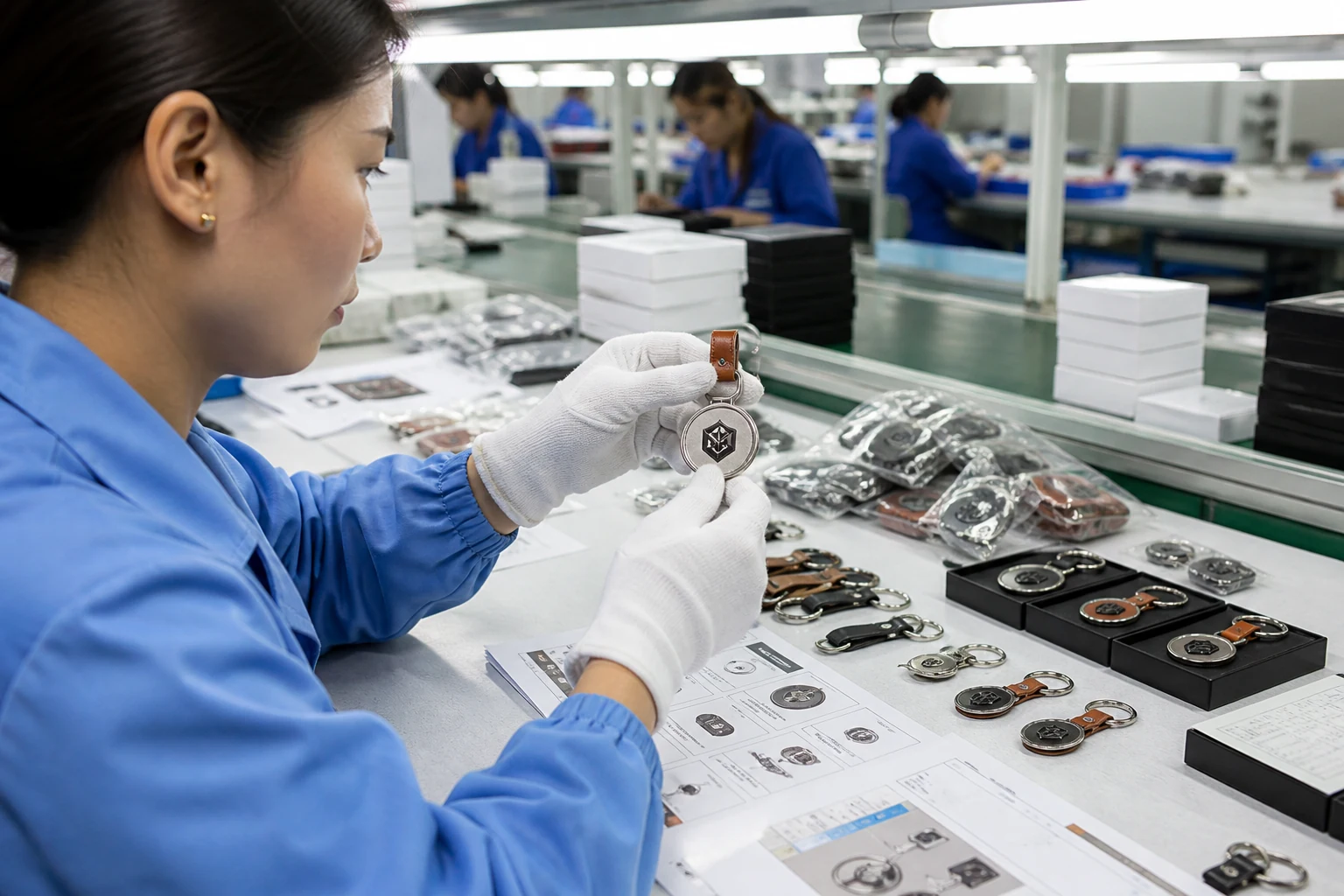
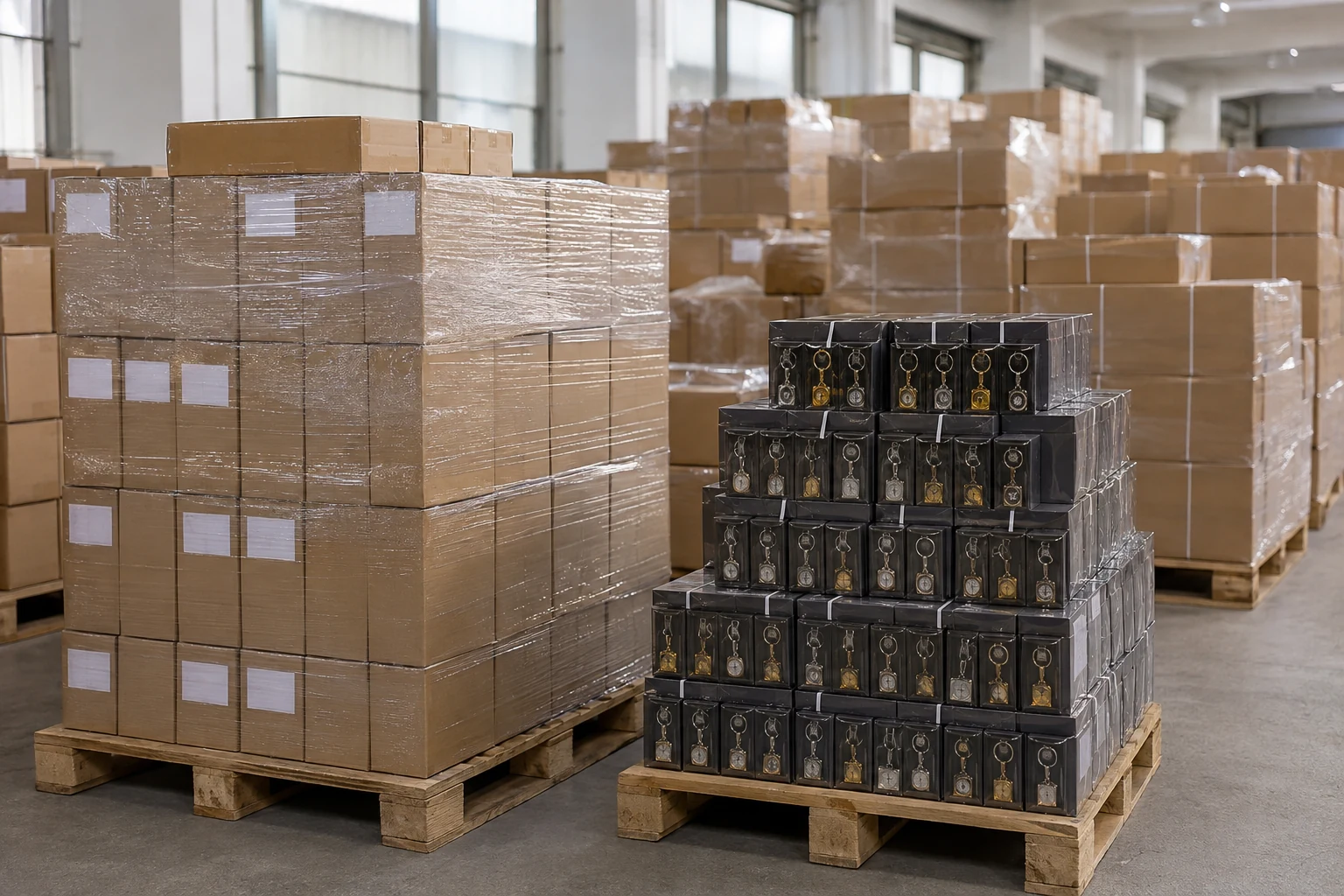
- Confirm logo orientation, color references, attachment type and acceptable visible finish before the production run.
- Specify whether separate designs or colorways must be packed as individual SKUs.
- Provide final barcode data and label placement if the units are entering retail or marketplace inventory.
- Ask for carton dimensions and estimated weight early enough for freight planning.
- Make sure the buyer, importer or marketplace provides any destination-specific label requirements.
MOQ and Cost Planning for Private Label Projects
MOQ and unit cost depend on material, size, mold complexity, color count, attachment, packaging and total quantity. A branded backing card or box is part of the production specification, not an afterthought. Reviewing product and packaging together makes quotations easier to compare. Start with the custom keychain MOQ guide, then see the bulk pricing guide.
Building a Private Label Keychain Product Line
A single keychain design can test the market, but most successful private label brands build a planned range. A simple structure is a core range plus seasonal additions.
- Core range: three to six designs that sell all year, reordered regularly in the same colors and packaging.
- Seasonal range: limited designs for holidays, back-to-school or local events, ordered earlier and in smaller quantities.
- Test designs: one or two new ideas per order at a lower quantity to see what customers like.
This structure keeps stock under control and makes reorders easier, because core designs reuse existing molds and approved color standards. For seasonal ideas, see our Halloween and seasonal keychains guide.
When you plan the line, also agree on a clear SKU system with the supplier, for example a code for design, color and packaging type. This makes quotes, packaging labels and reorders much simpler as your range grows, and reduces the chance of the wrong item being packed.
Branding Elements Beyond the Logo
In private label, the packaging often sells the product as much as the keychain itself. Plan these elements together with the design:
- Packaging: OPP bag, backing card, gift box or window box in your brand style.
- Hang tags: brand name, product story, care notes and website.
- Barcodes: UPC or EAN barcode labels for retail, or FNSKU labels for Amazon. You provide the codes; the factory prints and applies them.
- Inserts: thank-you cards, QR codes to your store, or collection cards that encourage repeat purchases.
- Carton marks: your brand, SKU and quantity on outer cartons to simplify receiving at your warehouse.
For details on formats and options, see our keychain packaging and export guide.
Send all packaging files at the same time as the product artwork, if possible. The factory can then check sizes and fit together, for example making sure the keychain fits the backing card slot or gift box insert, before anything is printed.
Confidentiality and Design Ownership
If your designs are your competitive advantage, discuss ownership and confidentiality before you share artwork. General questions to ask any supplier:
- Will my designs, molds and packaging artwork be used only for my orders?
- Can we sign a simple non-disclosure or non-use agreement?
- Who owns the mold, and can it be moved if I change suppliers?
- Will the factory avoid showing my products in its public catalog or social media?
- How are my files stored, and who has access to them?
Clear answers to these questions protect your brand. It is also a good reason to work with a factory-direct manufacturer rather than a trading company, so you know exactly where your products are made.
You should also keep your own records: original design files, approved mockups, sample photos and any written agreements. If you ever need to adjust suppliers or prove ownership of a design, these records are your best reference.
Reorders and Consistency Management
Customers notice when a reorder looks different from the first batch. Good private label suppliers manage consistency in several ways:
- Molds and cutting dies are kept for repeat orders, so shapes stay identical.
- Approved Pantone colors and a retained sample are used as the standard for every reorder.
- Packaging files are stored with version numbers, so the right artwork is printed each time.
- Reorders reference the original order number to avoid mistakes in size, attachment or finish.
Keep one approved sample of each design yourself, and compare new batches against it on arrival.
Retailer vs Brand Owner: Different Needs
| Need | Retailer (shop or chain) | Brand owner (own label) |
|---|---|---|
| Main goal | Fast-selling items for the shelf | Products that build brand identity |
| Design | Popular themes, broad appeal | Unique designs linked to the brand story |
| Packaging | Backing card and barcode for display | Custom box, hang tag and inserts |
| Order pattern | Mixed designs, frequent reorders | Core range plus planned launches |
| Priority | Price and margin | Consistency, exclusivity and design control |
Tell the supplier which group you are in, so the quote and suggestions match your business model.
Retailers often benefit from a supplier who suggests trending designs and ready-made themes, while brand owners need a partner who follows their brand guidelines closely and keeps their designs exclusive. Some businesses are both, for example a shop chain that develops its own label, and can combine both approaches in one order.
Whichever group you belong to, a clear brief with target quantities, packaging needs and launch dates helps the supplier plan molds, materials and production time around your calendar.
It also helps to review sales data after each season. Moving strong seasonal designs into the core range, and dropping slow sellers, keeps the line fresh without adding new molds or packaging every time.
A short yearly plan with the supplier, covering expected reorders and new launches, helps secure materials and production slots ahead of busy seasons.
Frequently Asked Questions
Can I use my own logo and product artwork?
Yes. Send buyer-authorized logo files, artwork and any visual reference. The buyer should confirm ownership or licensing rights for the supplied design before production.
Can private-label keychains include custom packaging?
Yes. Options can include individual bags, backing cards, hang tags, labels, inserts and other agreed packaging formats based on the order requirements.
What should I include in a private-label quote request?
Include artwork or a reference image, material, target size, quantity, attachment, packaging requirement, destination country and target delivery date.
Can I use my own barcodes on private label keychains?
Yes. You provide your UPC, EAN or Amazon FNSKU codes, and the factory prints them on backing cards, hang tags or labels. Always check that each barcode matches the correct SKU on the mockup. For Amazon, review the platform’s current labeling and packaging requirements before you approve the packaging.
Will the factory sell my private label designs to other buyers?
A reliable manufacturer should not use your custom designs, molds or packaging for other customers. Discuss this at the start, and ask for a written confidentiality or non-use agreement if your designs are important to your business. Keeping clear records of your artwork files also helps protect your ownership.
How do I keep colors the same on every reorder?
Use Pantone color codes in your artwork, keep one approved sample, and ask the supplier to keep a retained sample and the original mold. When you reorder, reference the original order number. Checking a few pieces from each new batch against your approved sample helps you catch any color variation early.
Start Your Private Label Keychain Project
Send your artwork, product idea, quantity and packaging requirements. The team can review the brief and recommend a practical wholesale configuration.
Request a Private Label Quote